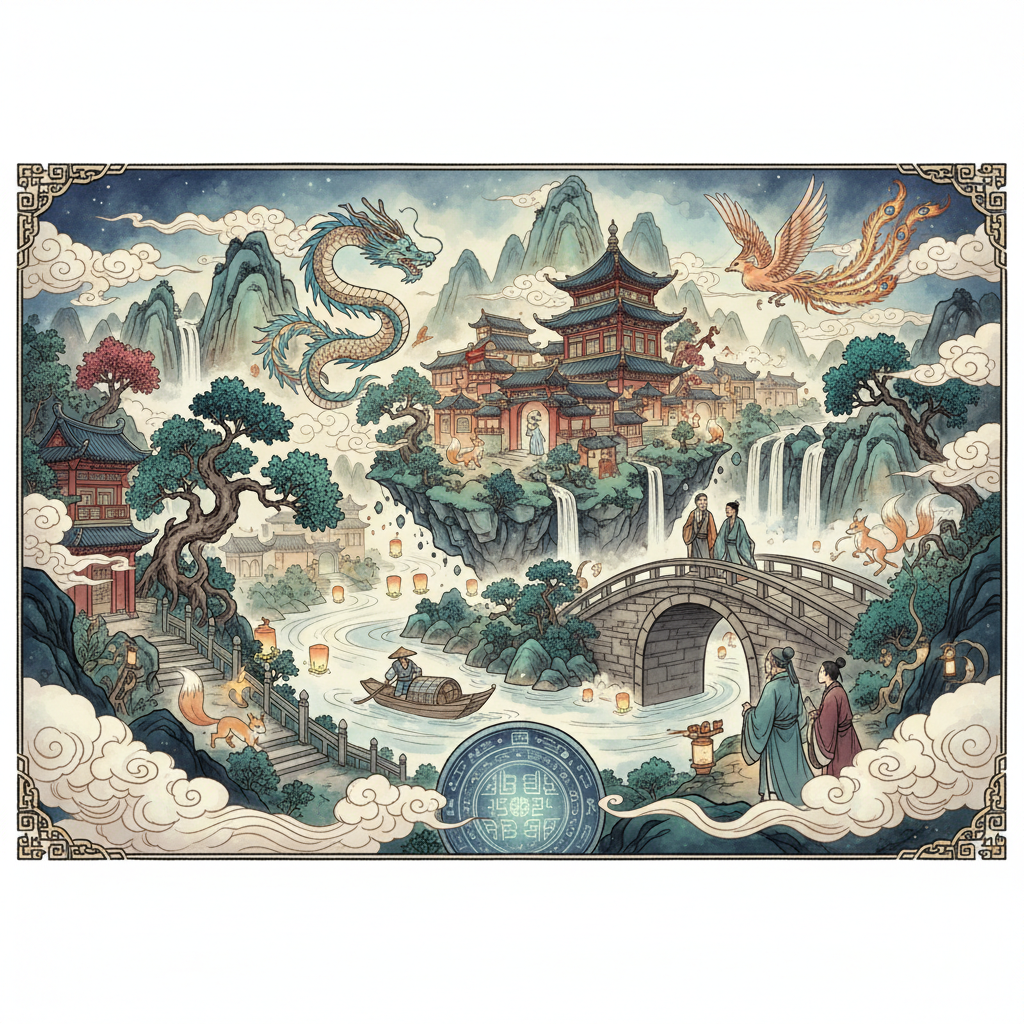
The Enigmatic World of Chinese Folklore
Chinese folklore is a vibrant, multifaceted tapestry woven from centuries of stories, legends, and traditions that mirror the beliefs, customs, and practices of the Chinese people. Rich with supernatural elements, these tales serve as a significant cultural repository, passing down wisdom, morals, and historical context to generations. The supernatural aspect of Chinese folklore is not merely entertainment; it reflects the values, fears, and hopes of a civilization that has endured millennia of change.
Historical Context of Chinese Legends
Rooted in ancient traditions, many of China's most famous stories date back to dynasties that flourished over two millennia ago. The Han Dynasty (206 BC – 220 AD), for instance, was crucial in shaping Chinese literature. This period saw the emergence of classic texts like "Shiji" (Records of the Grand Historian) by Sima Qian, which incorporated folklore and legends into historical context, blending myth with history.
These narratives often drew upon historical figures and events, blending supernatural elements to convey essential truths or moral lessons. For example, the legendary archer Houyi and the tale of his ten suns reflect the need for balance and harmony in nature, emphasizing the human role in preserving it.
Key Legends and Their Cultural Significance
Among the rich tapestry of Chinese folklore, several legends stand out for their cultural significance:
The Legend of the White Snake
Arguably one of the most enduring legends, the story of the White Snake involves a love affair between a human and a snake spirit. This tale is deeply rooted in themes of love, betrayal, and the quest for spiritual enlightenment. It underscores the idea of transformation, both literally and metaphorically. The White Snake's struggle against societal norms and her ultimate sacrifice for love resonate deeply within Chinese culture, symbolizing the enduring power of love and loyalty.
The Eight Immortals
The Eight Immortals are popular figures in Taoist mythology, each representing different virtues and aspects of life. Their adventures, which often involve trickery, moral lessons, and the pursuit of immortality, highlight the balance between human desires and spiritual aspirations. These figures, celebrated in operas and festivals, serve as archetypes, exemplifying how morality is essential for a good life. The stories not only entertain but also guide individuals on their paths to virtue.
Fairy Tales: Bringing Lessons to Life
Chinese fairy tales, much like their western counterparts, use fantastical elements to convey moral lessons. The story of "Mulan," for instance, tells of a young woman who disguises herself as a man to take her father's place in the army. This tale emphasizes themes of bravery and familial duty, shedding light on the cultural emphasis placed on honor and the role of women in historical contexts.
Another popular tale is "The Cowherd and the Weaver Girl," which tells of two lovers separated by the Milky Way and allowed to reunite only once a year. This story not only highlights the importance of love and perseverance but also ties into the Qixi Festival, often referred to as Chinese Valentine's Day, reflecting the cultural significance of romantic love.
Cultural Traditions Rooted in Folklore
Chinese folklore is not just confined to stories; it permeates various cultural practices and traditions. Festivals such as the Lantern Festival and Chinese New Year are imbued with folklore, where supernatural beings and deities are often invoked. For instance, during the Lantern Festival, people create and release lanterns into the sky, signifying the release of past burdens and welcoming new beginnings. The tales associated with these practices enrich the cultural fabric, making the festivities not just celebrations but also expressions of cultural identity.
Storytelling as Cultural Heritage
Traditional storytelling remains a vital aspect of preserving these legends. Oral traditions, often passed down by elders, play a pivotal role in community bonding. In contemporary China, there has been a resurgence in interest in traditional folklore, with new adaptations in film, literature, and the arts, highlighting the relevance of these ancient tales in modern society.
Conclusion: The Timelessness of Chinese Folklore
The supernatural elements of Chinese folklore are more than mere fantasy; they provide insight into the Chinese psyche, reflecting values, fears, and aspirations across the ages. The legends, fairy tales, and cultural traditions woven into the fabric of Chinese society offer a timeless lens through which to explore themes of love, morality, and resilience. As globalization continues to influence cultural exchange, the enduring power of Chinese folklore remains a vital aspect of cultural heritage, inviting intrigue and admiration worldwide. Embracing these stories is a way to keep the spirit of this ancient civilization alive, ensuring its profound lessons resonate with future generations.