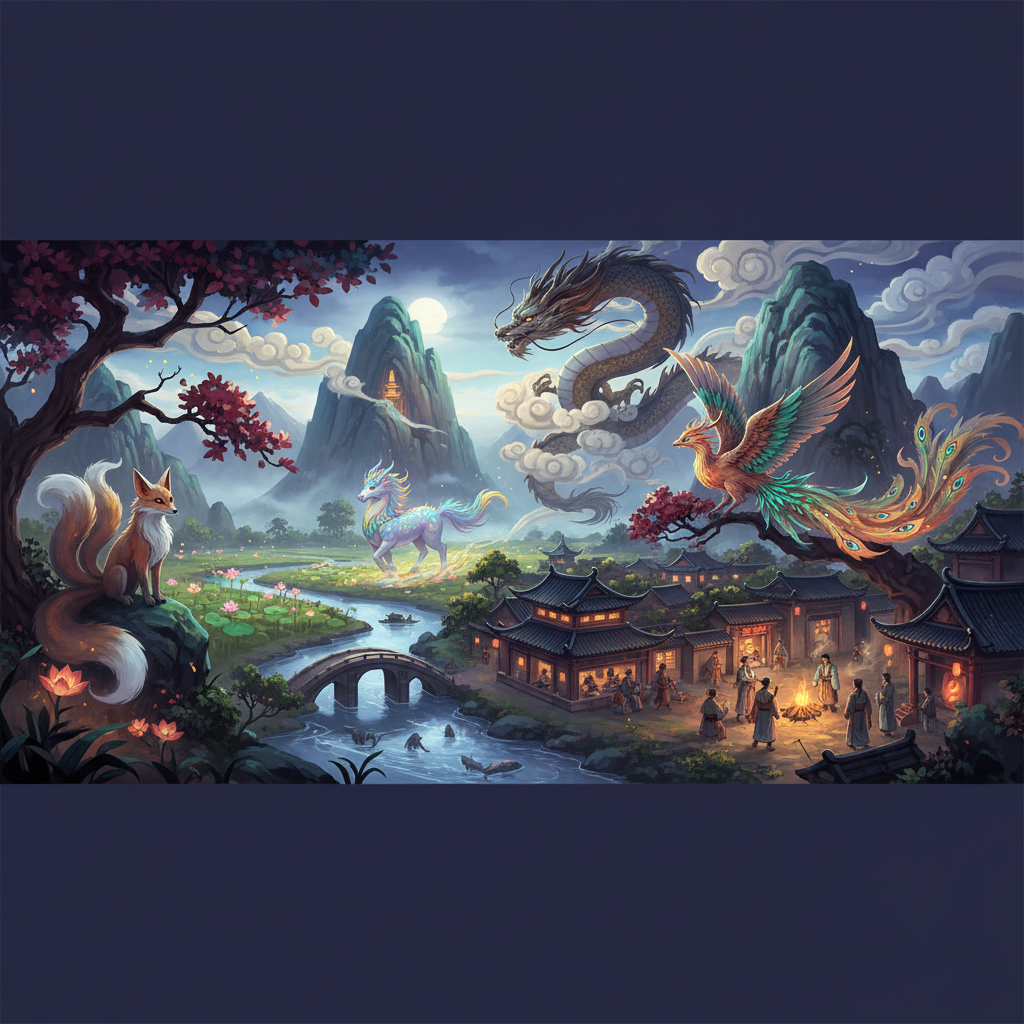
The Rich Tapestry of Chinese Animal Tales
Chinese folklore is a vibrant expression of culture and tradition, weaving together stories that highlight moral lessons, societal values, and the imagination of its people. One of the most captivating aspects of this rich cultural heritage is the realm of animal tales—narratives that feature anthropomorphic creatures, presenting profound insights into humanity and nature. Through these fascinating stories, we can explore the historical context and cultural significance that underlines Chinese animal tales.
Historical Context: Ancient Roots of Animal Tales
The origins of animal tales in China can be traced back thousands of years, with some of the earliest examples appearing in texts such as the "Zhuangzi," written around the 4th century BCE. This philosophical work contains numerous fables featuring animals, emphasizing the importance of harmony between humans and nature. Over time, these stories evolved and became an integral part of oral tradition, allowing them to flourish through generations.
The Tang and Song dynasties (618-1279) marked a significant period for literature in China, during which many animal fables were transcribed and disseminated widely. Notable collections, such as "The Collection of Stories from the World," contain well-known tales that continue to resonate today. The blending of mythology, folklore, and cultural history in these narratives reflects the values and beliefs that have shaped Chinese society.
Key Themes in Chinese Animal Tales
Animal tales in Chinese folklore often revolve around specific themes that offer moral lessons. A prominent theme is the cleverness of the clever and the plight of the deceived. For instance, the story of "The Clever Rabbit and the Foolish Lion" presents the rabbit as a wise character that outsmarts a powerful lion by using its intelligence rather than brute force. This theme encourages the idea that wisdom and strategic thinking can triumph over sheer strength.
Another recurring theme is the emphasis on communal values and cooperation. Tales like "The Three Friends of Winter" feature a pine, bamboo, and plum tree working together to withstand harsh winter conditions, symbolizing resilience and unity. Such stories encourage harmony among individuals and the importance of collaboration within communities.
Cultural Significance: Animal Tales as Teaching Tools
Animal tales serve not just as entertainment but also as vital tools for education. For centuries, these stories have been used as teaching instruments to impart moral lessons to children and instill cultural values in the younger generation. The characters in these tales often embody traits that are essential for personal development—such as honesty, kindness, perseverance, and cleverness.
Parents and educators often utilize these narratives to foster critical thinking and ethical reasoning. They provide children with frameworks for understanding right and wrong, which are essential for their moral development. In a society that values education and personal growth, animal tales emerge as a fundamental component of cultural transmission.
The Enduring Legacy of Animal Tales in Modern China
Despite the passage of time, Chinese animal tales remain relevant in modern society. They continue to inspire various forms of artistic expression, including literature, theater, and film. Contemporary adaptations of these stories can be found in children's books and animations, allowing new generations to engage with their cultural heritage.
Furthermore, animal tales contribute to the vibrancy of Chinese festivals and celebrations. Festivals such as the Chinese New Year often incorporate traditional fables that highlight important values, with references to animals like the dragon or lion featuring prominently in performance arts such as lion dances and parades. This integration enables the stories to maintain a dynamic presence in contemporary culture.
Conclusion: The Timeless Appeal of Animal Tales
Chinese animal tales are woven intricately into the fabric of Chinese folklore, encapsulating the beliefs, lessons, and cultural dynamics that define the nation. With their rich historical roots and enduring relevance, these stories provide a unique insight into the Chinese worldview, demonstrating the power of storytelling in shaping cultural identity. As we unpack the layers of these enchanting narratives, we not only uncover fascinating tales of cunning foxes and wise turtles but also connect deeply with the values and beliefs that continue to resonate across generations in China.