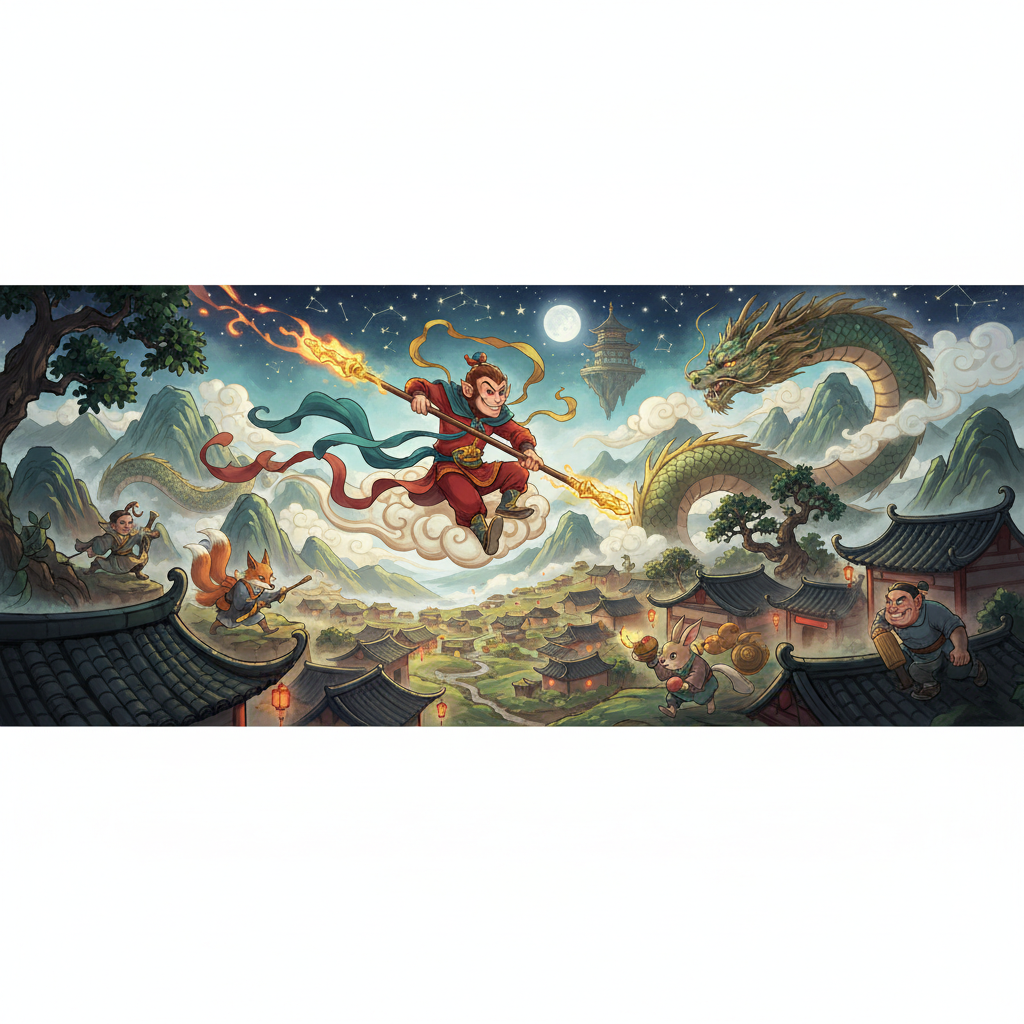
The Enigma of Trickster Tales in Chinese Folklore
Chinese folklore is a treasure trove of tales that navigate the intricate tapestry of history, morality, and cultural identity. Among these narratives, trickster tales stand out due to their subversive nature and the unique characters that inhabit them. These stories often revolve around clever, cunning figures who use wit and guile to turn the tables on authority and navigate life's complexities. They serve not merely as entertainment but also as vessels conveying societal norms, ethics, and wisdom.
Historical Context of Trickster Figures
The origins of trickster tales in Chinese folklore can be traced back thousands of years, with their roots embedded in both ancient rituals and philosophical texts. Historical records show that characters akin to tricksters have appeared in various dynastic eras, notably during the Han and Tang dynasties. Texts like "Zhuangzi," a foundational Daoist work, introduce readers to figures who defy convention and challenge the status quo through their unpredictable actions.
Moreover, these tales often interweave with historical events, showcasing social tension and political strife. For instance, in times of conflict, trickster characters emerge as relatable heroes, embodying the hopes and resilience of the common people against oppressive regimes. They reflect the societal desire for justice, often indirectly advocating for change through humor and satire.
Prominent Trickster Figures in Chinese Folklore
Several well-known characters exemplify the qualities of the trickster in Chinese folklore.
1. Sun Wukong (The Monkey King)
Perhaps one of the most celebrated trickster figures, Sun Wukong, from the epic novel "Journey to the West," epitomizes mischief and rebellion. His supernatural abilities, from shape-shifting to cloud-traveling, showcase the boundless creativity and freedom associated with tricksters. Wukong’s confrontations with deities and his quest for self-discovery illustrate themes of empowerment, personal growth, and societal critique.
2. Lü Dongbin
Another notable trickster is Lü Dongbin, one of the Eight Immortals in Chinese mythology. He is often depicted as a wise man who uses his intelligence to teach moral lessons and expose hypocrisy. His stories frequently highlight the interplay between intelligence and foolishness, illustrating that wit can subvert traditional wisdom.
3. Bai Ze
Bai Ze, a legendary creature who appeared in Tang dynasty tales, is yet another trickster whose intelligence helps humans understand the supernatural world. His cunning nature and ability to outsmart adversaries serve to caution against overconfidence and ignorance.
Cultural Significance of Trickster Tales
Trickster tales play a critical role in shaping cultural identities in China. They serve as social commentary, reflecting human experiences and moral dilemmas. These stories not only entertain but also encourage audiences to think critically about authority figures and societal structures.
In a culture where Confucian ideals often emphasize respect for hierarchy and tradition, trickster tales introduce alternative perspectives. They allow for healthy skepticism and the questioning of norms, embodying a form of resistance that resonates with audiences across generations.
Themes and Morals Embedded in Trickster Stories
At the core of trickster tales are themes of cleverness, adaptability, and the idea that one's wit can be more powerful than brute strength. These themes reflect fundamental aspects of human nature and resilience, resonating with the Chinese value system that prizes wisdom alongside physical prowess.
Trickster characters often face moral dilemmas that pose questions about fairness, justice, and ethics. Their adventures impart valuable lessons on the consequences of greed, arrogance, and deception. For example, stories where tricksters trick a greedy landlord inspire humility and solidarity, encouraging listeners to stand against exploitation.
Conclusion: The Legacy of Trickster Tales
The legacy of trickster tales in Chinese folklore endures, offering rich insights into the human condition and cultural evolution. They bridge the gap between ancient beliefs and modern societal values, emphasizing the timeless nature of wit and resilience. As these tales continue to be told and retold, they remain a potent reminder of the complexity of life, the importance of questioning authority, and the enduring power of storytelling in shaping cultural consciousness.
In exploring these rich narratives, we not only honor centuries of tradition but also affirm the relevance of trickster figures in our contemporary world—where laughter, cunning, and creativity remain essential tools for navigating life's challenges.