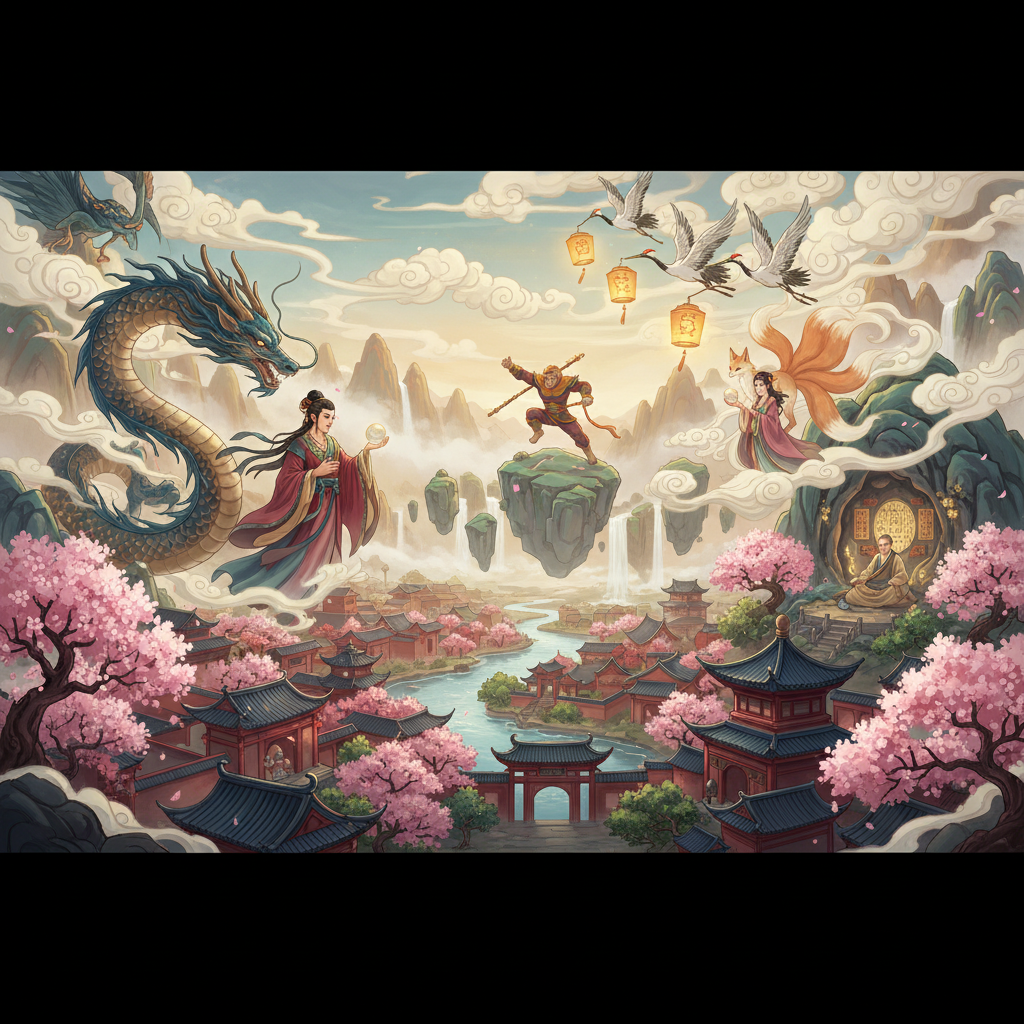
The Essence of Transformation in Chinese Folklore
Transformation is a central theme in Chinese folklore, allowing for an exploration of identity, morality, and the human experience. Through legends and fairy tales, these narratives not only entertain but also impart crucial life lessons and reflect cultural values. From mythical creatures that shape-shift into human forms to tales of redemption and personal growth, the motif of transformation weaves a rich tapestry within China’s cultural heritage.
Historical Context of Chinese Folklore
Chinese folklore has roots that trace back thousands of years, deeply intertwined with historical events, philosophy, and societal changes. Traditional beliefs, influenced by Confucianism, Daoism, and Buddhism, provide a backdrop against which transformation stories unfold. The oral tradition played a pivotal role in shaping these narratives, as tales were passed down through generations, adapting with each retelling. Notably, during the Tang and Song Dynasties, there was a flourishing of literature and storytelling, leading to the immortalization of numerous tales that continue to resonate today.
Legendary Creatures and Their Transformations
Many Chinese legends feature creatures that undergo remarkable transformations. One of the most famous is the story of the Dragon King, a deity often depicted as a transformative figure capable of controlling rain and rivers. In the tale "The Legend of the White Snake," a white snake spirit transforms into a beautiful woman, Bai Suzhen, showcasing love's power and the complexities of dual identity. These stories emphasize the fluidity of form and the complexities inherent in the themes of love and sacrifice, often blurring the lines between different realms of existence.
Fairy Tales of Personal Growth and Redemption
Transformation extends beyond mythical creatures to encompass human experiences and moral lessons in countless fairy tales. "The Butterfly Lovers" narrates the tragic love story of Liang Shanbo and Zhu Yingtai, where the two lovers transform into butterflies after death, symbolizing eternal love and the resilience of the human spirit. Tales like these illustrate the concept of transformation as not only a physical metamorphosis but also a journey of personal growth, where characters evolve from naive youth to experienced individuals, often experiencing profound revelations along the way.
Cultural Traditions Celebrating Transformation
The theme of transformation permeates various cultural practices in China, especially during festivals. For instance, the Lantern Festival, celebrated on the fifteenth day of the Lunar New Year, symbolizes the transition from darkness to light. Symbolically hanging lanterns represents new beginnings and is a time for families to reconcile and gather, embodying the concept of transformation in communal relationships. Such festivals serve to reinforce cultural cohesion and highlight the enduring significance of transformation within societal values.
The Enduring Impact of Transformation in Modern China
In contemporary China, the theme of transformation continues to inspire literature, cinema, and other art forms. Works like “The King of Comedy” by Stephen Chow showcase characters who undergo profound changes, reflecting societal aspirations and internal struggles. Modern interpretations of classic folklore not only keep the stories alive but also adapt them to address current issues, illustrating the timeless relevance of transformation in navigating the complexities of modern life.
Through folklore, legends, and cultural traditions, Chinese narratives provide a rich perspective on transformation. They illustrate not only the external changes experienced by characters but also internal journeys of the self, moral growth, and the profound connections between personal and communal identity. Embracing their historical roots while evolving with modern interpretations, these stories continue to inspire and resonate in the hearts of those who encounter them.