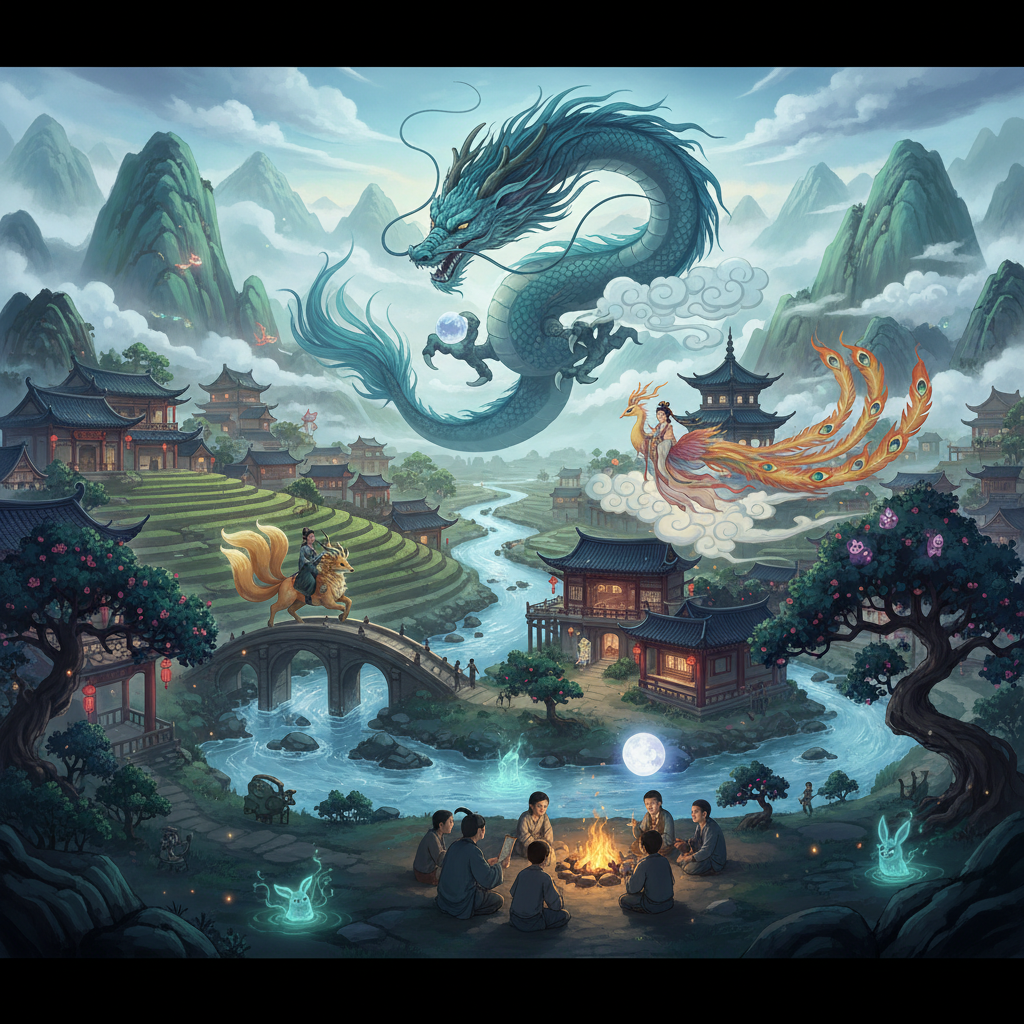
The Essence of Chinese Folklore: A Deep-rooted Tradition
Chinese folklore is an intricate blend of myths, legends, and oral traditions that has shaped the cultural landscape of China for centuries. Rooted in history, these narratives often reflect societal values, philosophies, and the intricate relationship between humans and nature. They are more than mere stories; they serve as vessels through which generations pass down wisdom, morals, and the cultural identity of the Chinese people.
Historically, folklore in China finds its genesis in the lives of ordinary people, melding reality with the fantastical. These narratives flourished during the different dynasties, often reflecting the political and social climates of their time. From the early shamanistic beliefs to Confucian values, Chinese folklore provides a rich tapestry of insights into the civilization's evolving ethos.
Iconic Legends and Their Cultural Significance
Among the myriad of tales, certain legends stand out as cultural cornerstones. One such legend is that of the Yellow Emperor (Huang Di), believed to be the ancestor of all Han Chinese and a symbol of unity and strength. This myth encapsulates the importance of ancestry and collective identity in Chinese culture.
Another iconic figure is Nu Wa, the goddess credited with creating humanity and repairing the sky. Her story resonates deeply, emphasizing themes of creation, femininity, and the relationship between heaven and earth. Nu Wa represents the power and influence of women in the rich tapestry of Chinese mythology, showcasing a balance between gender and divine authority.
Folklore in Music: The Sound of Legends
Music plays a pivotal role in expressing folk narratives. Traditional Chinese music, characterized by its use of instruments like the erhu and guqin, often encapsulates themes from folklore. The narratives sung through songs cultivate a deeper appreciation for cultural tales and provide a rhythmic connection to the past.
For instance, the folk song "Moli Hua" (Jasmine Flower) is more than just a melody; it embodies feelings of beauty, resilience, and longing, paralleling the emotions expressed in various folktales. These musical pieces serve as a bridge between generations, allowing listeners to engage with ancient themes while experiencing contemporary interpretations.
Celebratory Traditions Brought to Life
Festivals in China often draw inspiration from folklore, bringing age-old tales to life through performance, food, and ritual. The Spring Festival (or Chinese New Year) is perhaps the most renowned example, celebrating the triumph of light over darkness with traditions rooted in myths, such as the legend of Nian – a monster that terrorized villages until it was scared away by loud noises and bright colors.
Each tradition associated with such cultural celebrations often finds its roots in folklore, whether it’s through the dragon dances, which symbolize strength and good fortune, or the delicious dumplings that represent wealth and prosperity. These vibrant celebrations not only honor ancient stories but also reinforce community ties and cultural identity.
The Influence of Folktales on Contemporary Culture
In recent years, Chinese folklore has seen a resurgence in contemporary media, serving as inspiration for films, literature, and art. Directors like Zhang Yimou have woven these traditional tales into the fabric of modern cinema, capturing both local and global audiences. Movies such as "The Monkey King," based on the beloved classic "Journey to the West," demonstrate how folklore can be reimagined and presented in contemporary formats without sacrificing their cultural essence.
Furthermore, Chinese folklore continues to impact daily life and social practices, influencing everything from architecture to fashion. Artisans create works inspired by ancient myths, and literature draws heavily on these tales, proving that the legacies of these stories remain alive and relevant.
Conclusion: The Enduring Legacy of Chinese Folklore
Chinese folklore encapsulates a profound aspect of cultural identity and heritage, intertwining stories that have transcended time. These tales of gods, mythical creatures, and ancient heroes are steeped in moral lessons and cultural significance, making them an invaluable part of the Chinese cultural landscape.
As the world becomes increasingly interconnected, the narratives passed down through generations continue to resonate, offering universal themes of love, sacrifice, and resilience. By exploring the depths of Chinese folklore, we not only gain insight into a rich cultural tapestry but also connect with the timeless experiences that bind humanity across age, geography, and tradition.