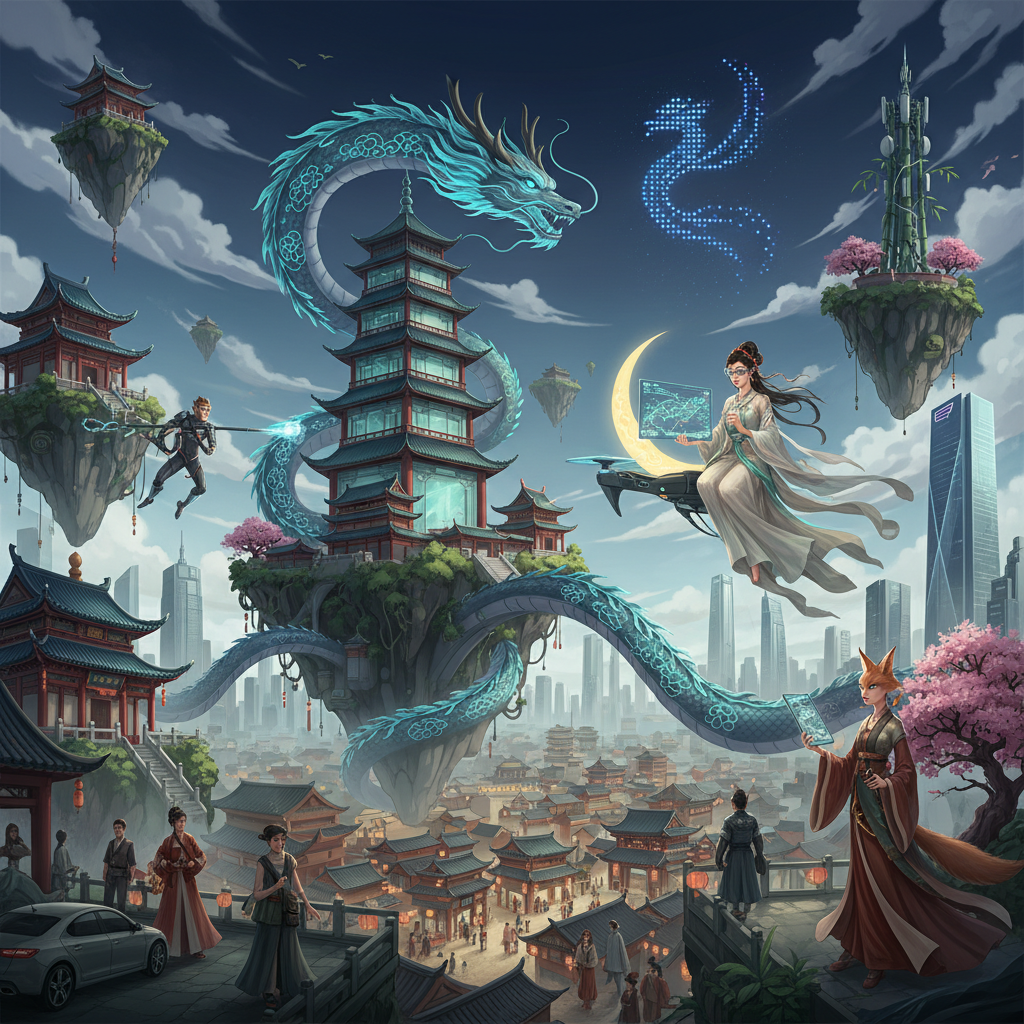
Introduction to Chinese Folklore and Its Enduring Legacy
Chinese folklore, steeped in thousands of years of history, weaves together myths, legends, fairy tales, and cultural customs that have shaped the identity of one of the world’s oldest civilizations. These stories have been passed down through generations and continue to influence literature, art, performance, and daily life in China and beyond. Mythical figures like the Monkey King, changeless motifs such as dragons and phoenixes, and age-old festivals all carry deep symbolism and historical context, reflecting core values and cosmological views in Chinese culture.
In recent decades, however, a dynamic shift has taken place: traditional narratives are being reimagined through modern retellings. With new mediums such as digital literature, cinema, animation, and global pop culture platforms, these ancient tales find refreshed relevance to contemporary audiences, all while honoring their cultural origins.
Historical Context: Roots of Chinese Legends and Fairy Tales
The roots of Chinese folklore can be traced back to dynastic eras such as the Han (206 BCE–220 CE) and Tang (618–907 CE) dynasties, when oral storytelling, classical texts, and theatrical performances all flourished. Early collections like “Strange Stories from a Chinese Studio” (by Pu Songling in the Qing Dynasty) and epic novels such as “Investiture of the Gods” and “Strange Tales” compiled centuries of oral tradition and mythological storytelling. These stories served not only to entertain but to educate on morality, spirituality, and the natural world.
Folklore was closely intertwined with cultural traditions—festivals like the Lantern Festival, Qingming (Tomb-Sweeping Day), and Dragon Boat Festival are imbued with stories that explain their origins and practices. These narratives often embody Confucian ethics, Daoist spirituality, and Buddhist philosophical elements, reflecting the syncretic nature of Chinese belief systems.
Cultural Significance of Legendary Figures and Motifs
Certain legendary figures have transcended folklore to become cultural icons. Sun Wukong, or the Monkey King, epitomizes cunning, rebellion, and enlightenment in “Journey to the West,” making him a favorite in modern adaptations. Mulan, a legendary heroine, embodies filial piety and strength, inspiring countless retellings addressing contemporary gender roles. Dragon myths symbolize power, prosperity, and auspiciousness, while phoenixes represent rebirth and harmony—motifs that permeate Chinese art, textiles, and architecture.
These stories and symbols serve as cultural vessels, preserving collective memory and identity. They also offer insight into agricultural cycles, social hierarchy, and moral conduct, emphasizing harmony between humans and nature. Modern retellings often highlight these timeless themes, connecting past wisdom to present-day issues such as environmentalism, gender equality, and cultural heritage preservation.
Popular Modern Retellings: Media and Literature
In the 21st century, Chinese folklore has seen a renaissance through novels, films, television series, and online platforms. Contemporary authors and creators reinterpret traditional tales with fresh perspectives, diverse genres, and innovative narrative structures. For example, the “White Snake” legend—traditionally a tragic romance between a human and a snake spirit—has been adapted into fantasy novels and animated films emphasizing themes of identity and love beyond conventions.
Films such as “Ne Zha” (2019), a CGI blockbuster, recast the mythological hero as an outcast struggling with destiny, appealing to younger audiences worldwide. Digital platforms like web novels and manhua (Chinese comics) also facilitate interactive storytelling, allowing readers to engage deeply with folklore in serialized formats. These retellings preserve core storylines but embed contemporary values and challenges, bridging generational gaps and cultural boundaries.
Cultural Traditions Revitalized Through Storytelling
Storytelling remains central to many Chinese cultural traditions, with modern retellings sparking renewed interest in festivals and rituals. Lunar New Year celebrations, for instance, commonly feature performances of traditional myths, using modern theatrical elements or digital projection to captivate audiences. Folk dances, shadow puppetry, and storytelling competitions integrate age-old tales with contemporary artistic forms.
In addition, educational programs and museums incorporate folklore in their curricula and exhibits, promoting awareness of China’s intangible cultural heritage. This blending of tradition and innovation helps maintain folk narratives’ vitality and relevance, encouraging younger generations to embrace their cultural roots while adapting to a globalized world.
Conclusion: The Future of Chinese Folklore in a Modern World
Chinese folklore and legends continue to evolve, reflecting the dynamic interplay between tradition and modernity. Modern retellings serve as a cultural bridge, connecting the wisdom and imagination of ancient China to the digital, global context of today. Through novels, media, festivals, and education, these stories endure, enrich cultural identity, and invite diverse audiences to explore the profound narratives embedded in Chinese heritage.
As China’s cultural voice grows in the global arena, the retelling of folklore not only preserves history but also shapes contemporary cultural dialogues—ensuring these timeless tales remain vibrant and meaningful for generations to come.