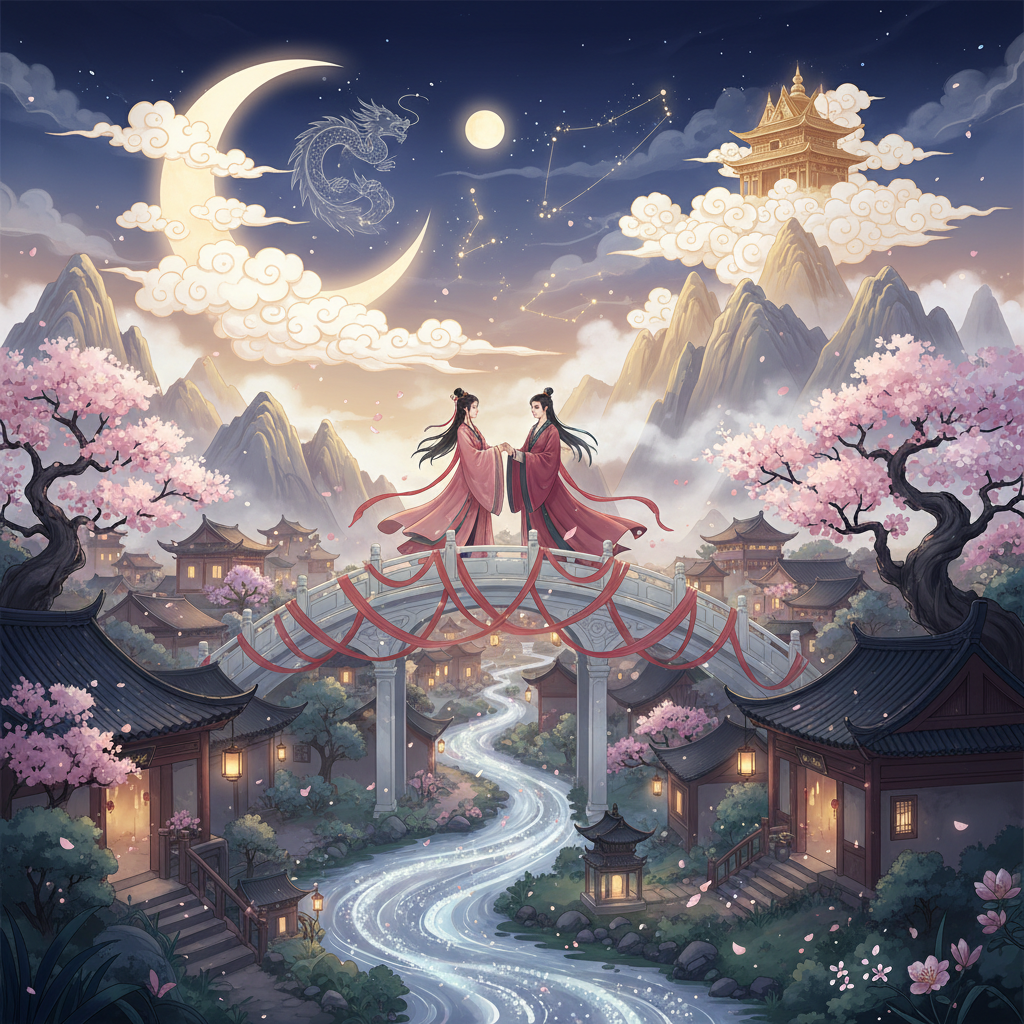
The Rich Tapestry of Chinese Love Legends
Chinese folklore is a treasure trove of love legends, each offering unique insights into romance, duty, and destiny. These tales have been passed down through generations and continue to resonate with audiences today. Often steeped in cultural significance, these legends explore not just the theme of love but also reflect the values and traditions of Chinese society.
The Legend of Liang Shanbo and Zhu Yingtai
One of the most famous love stories in Chinese folklore is that of Liang Shanbo and Zhu Yingtai, often referred to as the "Chinese Romeo and Juliet." Their emotional journey highlights the constraints of social class and familial obligations in traditional China.
Zhu Yingtai disguises herself as a man to pursue her education, where she meets and falls in love with Liang Shanbo. Unfortunately, societal restrictions and her family's wishes lead to heart-wrenching consequences. The tale is not just a romance; it offers a critique of societal norms, emphasizing the tension between love and duty. In the end, their spirits are transformed into butterflies, symbolizing eternal love and freedom from earthly constraints.
The Butterfly Lovers: Symbolism and Cultural Significance
The story of the Butterfly Lovers represents more than a mere love story; it symbolizes the struggle for true love against societal expectations. Butterflies, in Chinese culture, are often associated with love and marital bliss. This has led to the tale becoming a popular symbol during weddings and romantic celebrations, reinforcing the idea that love will transcend even death.
The narrative has inspired countless adaptations in various art forms, including operas, films, and even ballets. As such, it serves as a critical cultural reference point, reminding us that love, though often challenged by societal pressures, can ultimately prevail.
A Daughter’s Sacrifice: The Story of Mulan
Although often recognized primarily as a story of bravery, the legend of Hua Mulan also touches on themes of love, honor, and sacrifice. Mulan disguises herself as a man to take her aging father's place in the army. The emotional drive behind her actions reveals a profound sense of familial love that is central to the narrative.
Mulan’s story resonates with the concept of duty in Chinese culture, especially regarding family obligations. By risking her life, Mulan demonstrates that love often requires personal sacrifice, blurring the lines between romantic love and familial loyalty. This dual aspect of love makes her legend deeply compelling, highlighting the complexity of human relationships.
The Star-crossed Lovers: The Legend of Niulang and Zhinu
Another heartwarming legend is that of Niulang (the Cowherd) and Zhinu (the Weaver Girl), often celebrated during the Qixi Festival, or the Chinese Valentine's Day. Their love story emphasizes the enduring power of love against cosmic obstacles. The couple is separated by the Silver River (the Milky Way) and can only meet once a year on the seventh day of the seventh lunar month.
This tale not only underscores the yearning inherent in love but also reflects the significance of perseverance and hope. It teaches that love is worth fighting for, even if it means facing impossibly challenging circumstances. This legend remains an essential component of the Qixi Festival, where lantern festivals and romantic customs draw millions to celebrate love.
Cultural Traditions and Festivities
The love legends of Chinese folklore have permeated various cultural traditions and festivities, enriching the understanding of love within Chinese society. Celebrations such as Valentine's Day and the Qixi Festival abound with symbolism derived from these stories.
For example, during the Qixi Festival, couples often reenact the story of Niulang and Zhinu, incorporating rituals that emphasize fidelity and devotion. These traditions, rooted in folklore, serve to bind couples together, encouraging them to express love and appreciation for one another.
Conclusion: The Enduring Legacy of Chinese Love Legends
Chinese love legends are far more than romantic tales; they encapsulate the essence of cultural values, societal dynamics, and the complexities of human relationships. Through the lens of love, these stories articulate profound truths about sacrifice, duty, and the resilient spirit of romance. As these legends continue to be told and retold, they perpetuate a rich cultural heritage that celebrates the power of love across generations. Whether through literature, theater, or modern adaptations, the enchanting narratives of love legends remain a vital aspect of China’s cultural identity.