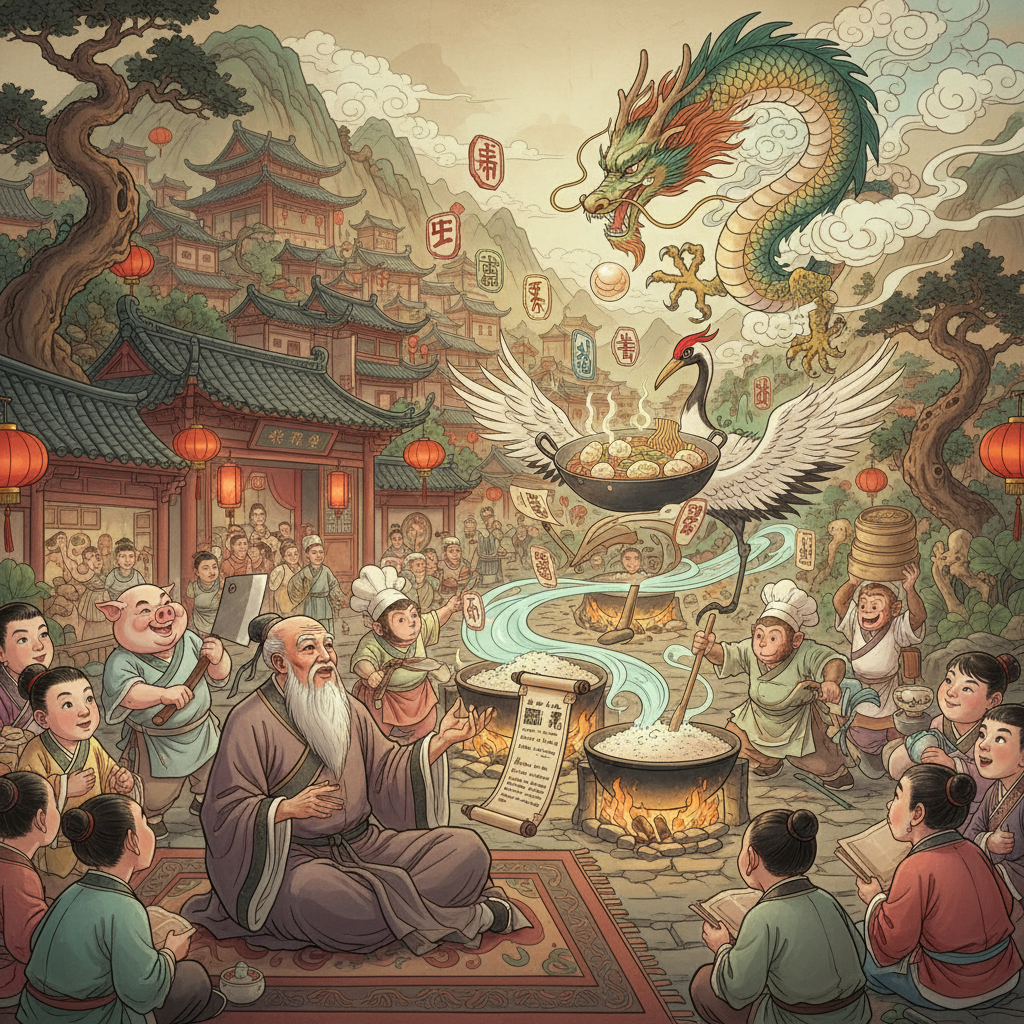
Introduction to Chinese Food Folklore
Chinese cuisine, with its unparalleled diversity and deep flavors, is not only a sensory delight but also a rich tapestry woven with centuries of folklore, legends, and cultural symbolism. Food in China transcends mere sustenance; it is a vessel of history and tradition that reflects beliefs, values, and social customs. Across dynasties and regions, many traditional dishes carry folklore that explains their origins, attributes, or mystical significance—providing an immersive experience that connects taste with storytelling.
Historical Roots of Food in Chinese Culture
Understanding Chinese food folklore requires appreciating the integral role of food in Chinese society. Since ancient times, Chinese civilization has regarded food as essential to harmony, health, and prosperity, concepts deeply influenced by Confucian ideals of balance and social order. Historical records from the Zhou (1046-256 BCE) and Han (206 BCE-220 CE) dynasties reveal elaborate food rituals tied to ancestral worship and seasonal festivals. These customs created a fertile ground for myths and legends to emerge around staple foods, linking their consumption to spiritual well-being and natural cycles.
Mythical Origins of Iconic Dishes
Several beloved Chinese dishes are imbued with legendary tales explaining their unique characteristics or auspicious qualities. For example, the origin story of Nian Gao (sticky rice cake) is connected to the ancient practice of warding off the mythical beast "Nian," which terrorized villages during the Lunar New Year. The sticky cake’s sweetness and texture were believed to pacify and drive away this monster, symbolizing prosperity and good luck for the coming year.
Similarly, Long Life Noodles (Changshou Mian) are a culinary emblem of longevity. The legend narrates that these exceptionally long noodles, eaten during birthdays and festivals, bring extended life and vitality. Their uncut length metaphorically extends one’s life path—a belief deeply rooted in Taoist reverence for longevity and balance.
Culinary Traditions and Festival Food Legends
China’s myriad festivals are punctuated by specific dishes, each with distinct stories and symbolic meanings. The Dragon Boat Festival, for example, is remembered through the consumption of Zongzi—sticky rice dumplings wrapped in bamboo leaves. This tradition honors the poet Qu Yuan, who threw himself into the Miluo River to protest government corruption. Locals threw rice into the river to prevent fish from eating his body, which evolved into the ritualistic making of Zongzi. This dish now represents loyalty, remembrance, and cultural identity.
The Spring Festival (Chinese New Year) features numerous delicacies carrying auspicious meanings embedded in folklore, such as fish (symbolizing abundance), dumplings shaped like ancient Chinese ingots (suggesting wealth), and oranges (for good fortune). These food customs intertwine with prayers for happiness, health, and prosperity, reinforcing communal bonds and spirituality.
Symbolism and Meaning Embedded in Food
Beyond narrative, food in Chinese culture often functions as symbolic language. Ingredients and preparation methods are chosen to convey messages nonverbally during celebrations and family gatherings. For example, the round shape of mooncakes during the Mid-Autumn Festival embodies reunion and harmony. In some regions, lotus seeds in desserts symbolize fertility and purity, while bamboo shoots signify resilience and growth.
Chinese cooking methods such as steaming or braising are also imbued with philosophical undertones, reflecting balance, gentleness, or strength—core ideals within Daoist and Confucian thought. These symbolic layers transform eating into a culturally rich and mindful ceremony, making every meal a connection to heritage and morality.
The Continuing Legacy of Food Folklore Today
Today, Chinese food folklore remains alive not only in rural traditions but increasingly in urban kitchens and global diasporas. Culinary storytelling continues to nurture cultural pride and curiosity across generations, enhanced by modern media and tourism. Understanding these legends enriches appreciation of Chinese cuisine beyond taste, emphasizing its role as a cultural artifact that carries history and spirituality.
Moreover, many chefs and cultural practitioners are reviving and adapting ancient recipes and food tales, blending tradition with innovation—a testament to the dynamism of Chinese food heritage. Whether at a family reunion table or international food festivals, the legends and traditions embedded in Chinese dishes perpetuate a timeless dialogue between past and present.
Conclusion
Chinese food folklore and culinary traditions offer more than delicious flavors; they present a narrative bridge connecting history, culture, and communal values. From mythical origins to festival rituals, each ingredient and dish embodies stories that have shaped Chinese identity over millennia. Exploring these food legends invites not only gastronomic delight but also a profound respect for the cultural wisdom intertwined with one of the world’s most celebrated cuisines.