The Rich Tapestry of Chinese Folklore
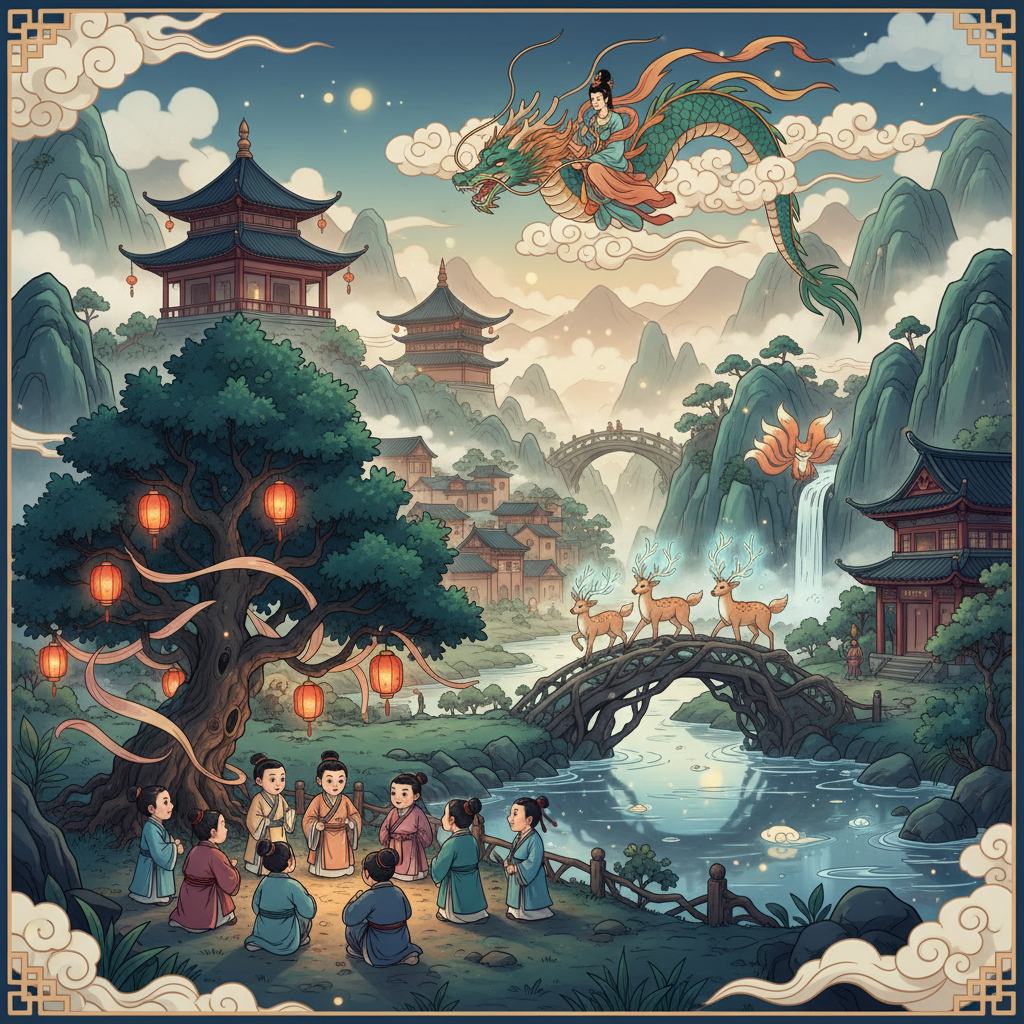
Chinese folklore is a vibrant tapestry woven with myths, legends, and fairy tales that have been passed down through generations. These stories serve not just as entertainment for children but also impart valuable life lessons and moral teachings. From the famous tale of Mulan to the legends surrounding the Moon Goddess, these narratives are deeply embedded in Chinese culture, reflecting the values, beliefs, and history of the Chinese people.
Famous Legends and Their Cultural Significance
Mulan: The Warrior Daughter
One of the most celebrated stories in Chinese folklore is that of Hua Mulan. Set in ancient China, it tells the tale of a young woman who disguises herself as a man to take her ailing father's place in the army. This story emphasizes themes of bravery, filial piety, and gender roles, resonating deeply with both children and adults. The historical context of Mulan's tale illustrates the societal expectations of women in ancient China, while also breaking these barriers. The story has transcended its origins, gaining international fame through adaptations in film and literature, captivating audiences with its empowering message.
The Monkey King: A Journey of Redemption
Another iconic figure in Chinese folklore is the Monkey King, Sun Wukong, from the epic "Journey to the West." This tale chronicles the Monkey King's adventures and his quest for enlightenment. His mischievous nature, coupled with immense strength and magical abilities, makes him a compelling character in Chinese culture. The Monkey King's journey symbolizes the importance of perseverance, humility, and the continuous quest for self-improvement. As children embark on the journey with him, they learn about the balance between mischief and responsibility.
The Legend of the White Snake
The tale of Madam White Snake is another enchanting story that has been cherished throughout the years. It tells the story of a love affair between a human and a snake spirit, emphasizing themes of love and sacrifice. This legend highlights the understanding and acceptance of love in various forms, whether human or supernatural. In Chinese culture, it serves as a reminder of the power of love transcending social barriers. The enduring popularity of this story has led to numerous adaptations in opera, film, and dance, making it accessible and relatable for modern audiences.
Folklore Figures and Their Moral Lessons
The Kindness and Wisdom of the Eight Immortals
The Eight Immortals, a group of legendary figures in Chinese folklore, each possess unique powers and personalities. Their stories often serve to teach children about moral virtues like kindness, loyalty, and wisdom. Each immortal has an inspiring backstory illustrating their virtues in action, such as Zhang Guolao, who represents wisdom through his clever solutions to difficult problems. Stories of the Eight Immortals not only provide entertainment but also impart essential moral lessons, allowing children to learn valuable life lessons through fantastical adventures.
The Cultural Significance of Folktales in Education
Folktales are an integral part of Chinese education, used to teach children about their cultural heritage, ethics, and societal values. Parents and educators utilize these tales to instill virtues such as respect for elders, the importance of education, and social responsibility. Through storytelling, children not only grasp the rich history and traditions of Chinese culture but also develop critical thinking and empathy as they connect with the characters and their struggles.
Celebrating Traditions Through Storytelling
Folk Festivals and Their Narratives
Storytelling often plays a vital role in Chinese festivals, where legends come alive. For instance, during the Lantern Festival, tales such as the romance of the Cowherd and the Weaver Girl are recounted, symbolizing love and reunion. Similarly, the Qingming Festival honors ancestors and is steeped in folklore recounting tales of remembrance and respect. These traditions foster a sense of community and cultural continuity, allowing children to engage with their heritage.
Modern Adaptations of Ancient Tales
In contemporary China, many classic legends are being reinterpreted through various mediums, including television shows, animated films, and theatrical performances. These adaptations introduce historical tales to a new generation, blending traditional narratives with modern storytelling techniques. This evolution ensures that the values embedded in these folklore stories remain relevant and relatable, demonstrating their lasting impact on culture and society.
Embracing the Magic of Chinese Folklore
Exploring Chinese folklore offers an enchanting glimpse into a world where imagination meets tradition. These legends and fairy tales not only entertain but also provide profound insights into the cultural fabric of China. As children engage with these stories, they embark on a journey that nurtures their creativity and strengthens their understanding of their heritage. Whether through Mulan’s bravery, the Monkey King’s adventures, or the heartwarming tales of love and sacrifice, the magic of Chinese folklore continues to inspire and educate young minds.